Healthy Snack Choices
Published February 2026
Understanding Snack Options
When discussing snacks, it is useful to understand that many different options are available. Various foods can serve as snacks, and each carries different nutritional characteristics. This article explores some of the commonly discussed snacking options in an educational context.
Fresh Fruits
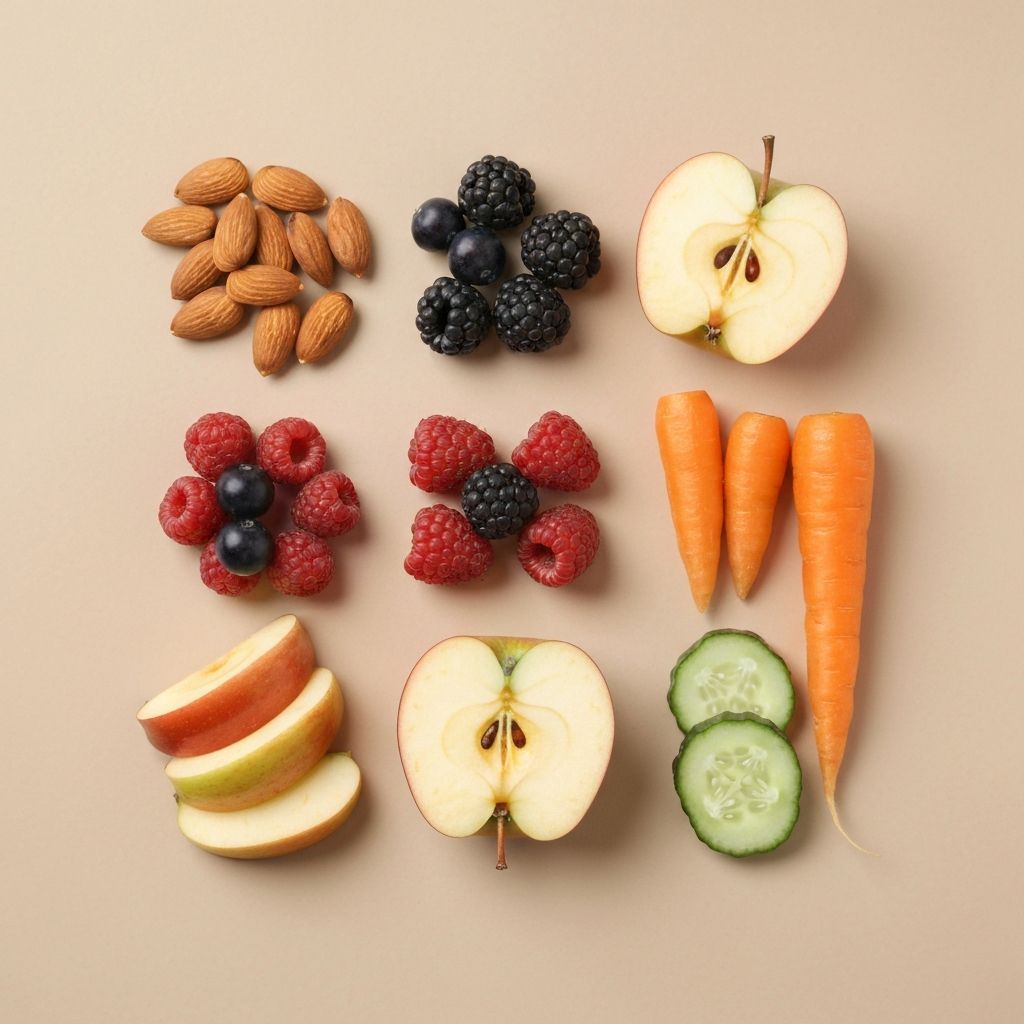
Fresh fruits are frequently mentioned as snacking options. They contain natural sugars, fiber, vitamins, and minerals. Different fruits have different nutritional profiles. For example, berries are often discussed for their antioxidant content, while bananas are noted for their potassium content. This information helps understand the diversity of nutritional contributions different fruits can make.
Vegetables and Raw Vegetables
Raw vegetables such as carrots, cucumbers, bell peppers, and cherry tomatoes are commonly consumed as snacks. These foods are generally low in calories and high in fiber. Understanding the nutritional composition of vegetables helps appreciate their place in eating patterns.
Nuts and Seeds
Nuts and seeds are nutrient-dense foods containing proteins, healthy fats, and minerals. Almonds, walnuts, cashews, and sunflower seeds are examples of commonly consumed options. These foods provide different nutritional benefits compared to fruits and vegetables, contributing to dietary diversity.
Whole Grains and Legumes
Whole grains and legumes offer proteins and fiber. Options like whole grain crackers, chickpeas, and lentils represent different snacking possibilities, each with distinct nutritional profiles that contribute to varied eating patterns.
The Role of Snacks in Dietary Patterns
Snacks can be part of everyday eating patterns. Their significance depends on what foods are chosen and how they fit into overall daily food consumption. Understanding the available options helps people develop awareness about the diversity of foods that might be included in eating patterns.
Different Approaches to Snacking
Different people approach snacking in different ways based on their preferences, schedules, and circumstances. Some people eat frequent small snacks, while others eat less frequently. Some people choose primarily plant-based snacks, while others include animal-based options. These variations reflect the diversity that exists in actual eating patterns across populations.
Individual Variation
It is important to recognize that what constitutes an appropriate snacking pattern varies from person to person. Factors such as activity level, personal preferences, cultural background, and health status all influence dietary patterns. This resource presents information in general educational terms rather than prescribing specific approaches for individuals.
Educational Information
This article provides informational content about snacking options and their nutritional characteristics. It is designed to promote understanding of snacking as a dietary phenomenon. The information presented is not personal advice, and readers should consult appropriate professionals for guidance tailored to individual circumstances.