Integrating Snacks into Daily Nutrition
Published February 2026
Snacking in Daily Eating Patterns
Snacking is a common practice in daily eating patterns across many populations. Understanding how snacks fit into broader nutritional patterns is useful for developing awareness about dietary diversity and food choices. This article explores this topic in an educational context.
Timing of Snacks
Snacks are typically consumed between main meals. Different people snack at different times - some early in the morning, others in the afternoon, and some in the evening. The timing of snacking can vary based on work schedules, activity patterns, and personal preferences. This variation demonstrates the diversity of eating patterns that exist.
Types of Snacks Throughout the Day
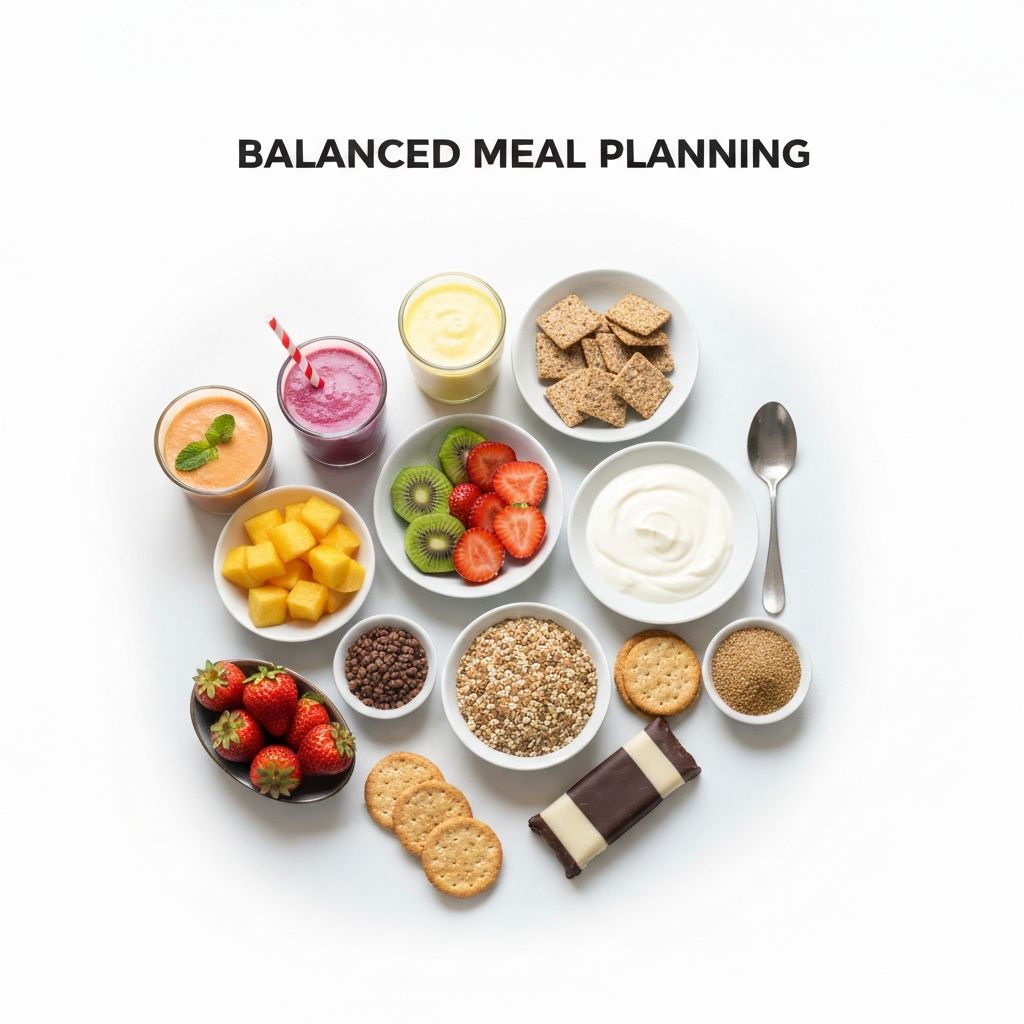
People consume different types of foods as snacks at different times. Morning snacks might include fresh fruits or yogurt, afternoon snacks might include nuts or vegetables, and evening options might vary. Understanding this diversity helps recognize the multiple approaches people take to snacking.
Nutritional Contribution to Daily Intake
Snacks contribute to overall daily nutritional intake. Depending on food choices, snacks can provide significant amounts of vitamins, minerals, fiber, and other nutrients. Alternatively, snacks might provide primarily energy without substantial micronutrients. The nutritional contribution depends on what foods are chosen.
Approaches to Daily Snacking
Different approaches to snacking exist across populations and contexts. Some people include frequent snacks in their daily pattern, while others eat less frequently. Some emphasize plant-based snacks, while others include various options. These differences reflect the diversity of actual eating behaviors and preferences.
Planned Versus Opportunistic Snacking
Some people plan their snacks in advance, choosing specific foods to bring with them. Others snack more opportunistically, eating whatever is available. Both approaches are common and represent different personal and contextual circumstances.
Cultural and Social Factors
Snacking habits are influenced by cultural traditions, social contexts, and personal circumstances. Different cultures have different snacking traditions. Social settings influence what people eat and when. Understanding this context helps recognize that snacking is not a uniform phenomenon but varies significantly across populations.
Individual Preferences and Needs
Personal preferences, health considerations, food allergies, and lifestyle factors all influence snacking patterns. What works for one person may not work for another. Educational information acknowledges this diversity rather than proposing a single ideal approach.
Nutritional Considerations
When considering snacking in the context of daily nutrition, various factors are relevant. These might include the nutritional profile of chosen snacks, portion sizes, frequency of snacking, and how snacks fit with overall daily food patterns. Understanding these factors helps explain why nutritional recommendations often mention snacking.
The Importance of Balance and Variety
From an educational perspective, understanding food variety and balance is useful. Different foods offer different nutritional benefits. Consuming a variety of foods - including fruits, vegetables, whole grains, nuts, and legumes - provides exposure to diverse nutrients. Whether people achieve this through meal planning or by understanding snacking options, the principle of variety is frequently discussed in nutritional education.
Educational Information
This article provides informational content about how snacking integrates into daily nutrition and various approaches to snacking. It is designed for educational purposes to help people understand snacking as a dietary component. The information is not personal nutritional advice, and individuals should consult appropriate professionals for guidance tailored to their specific circumstances.